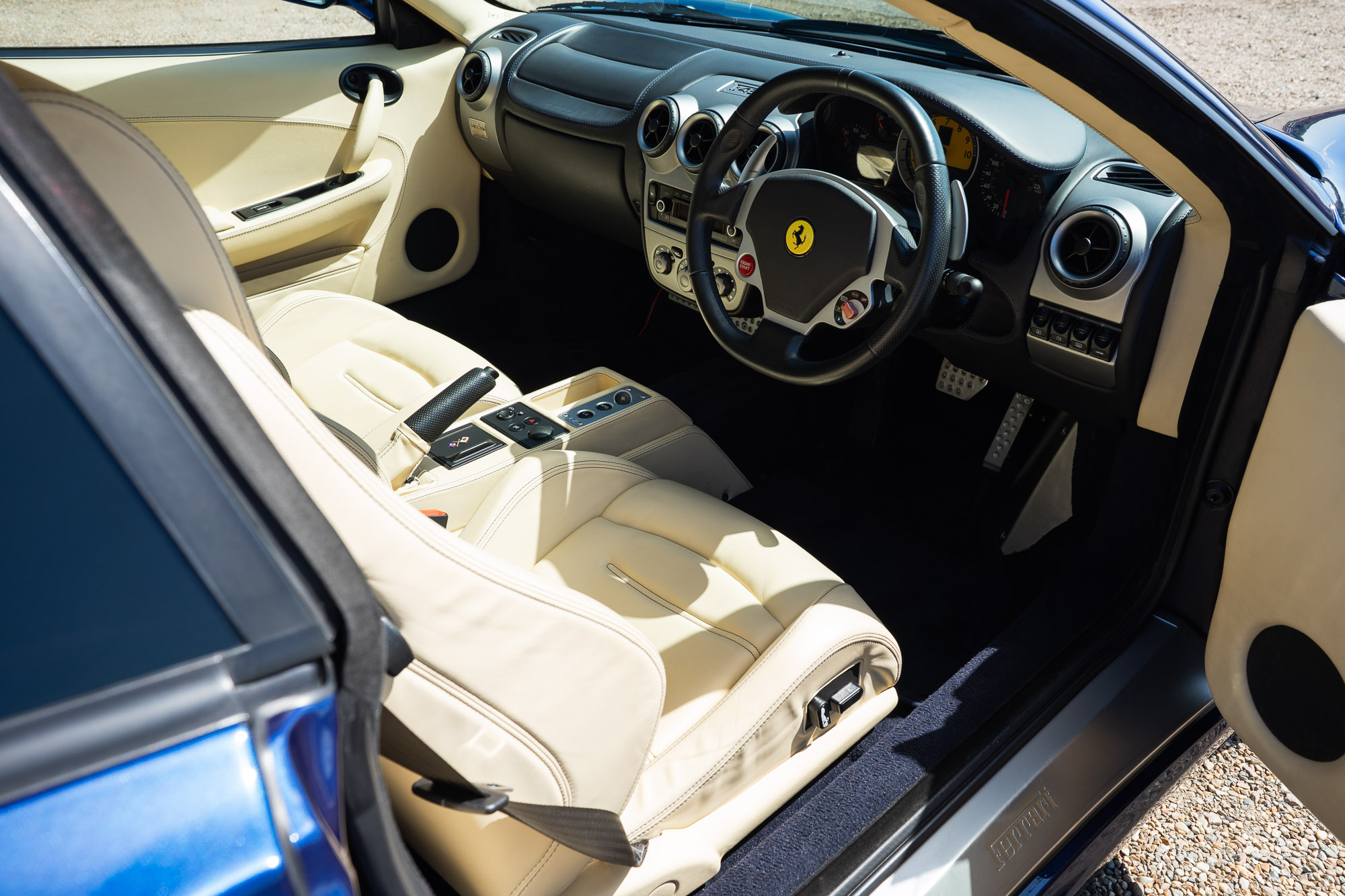
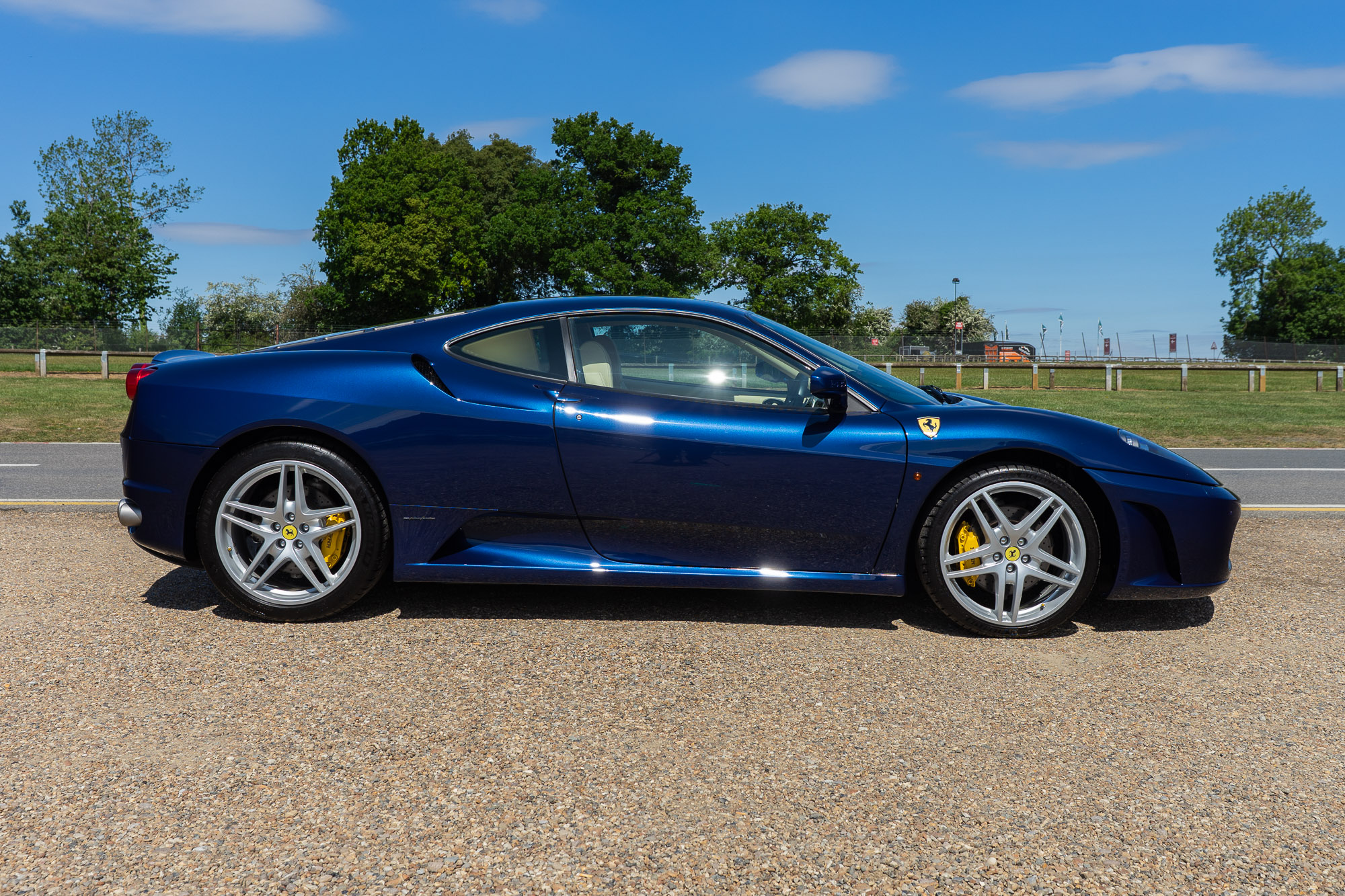
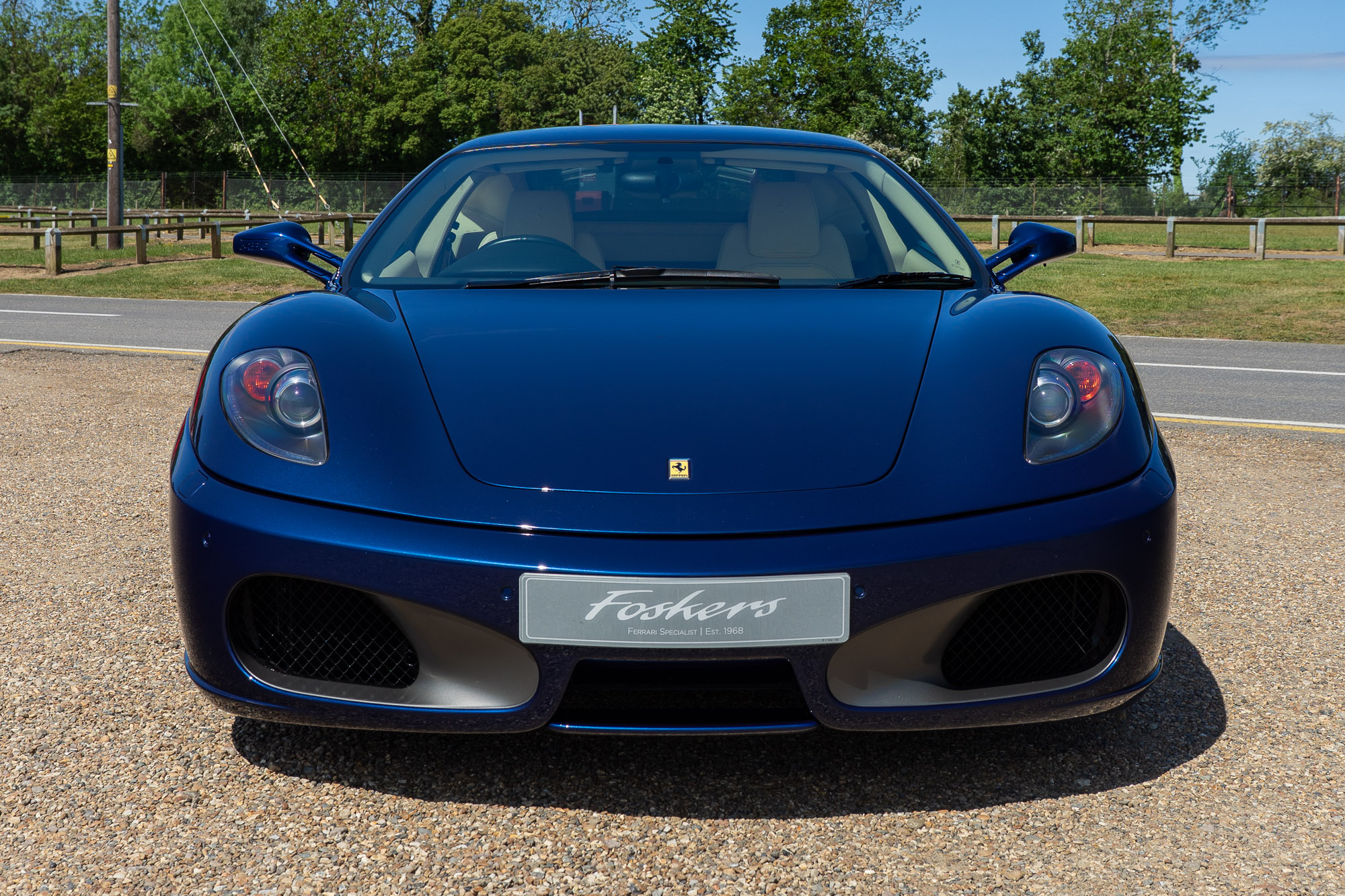
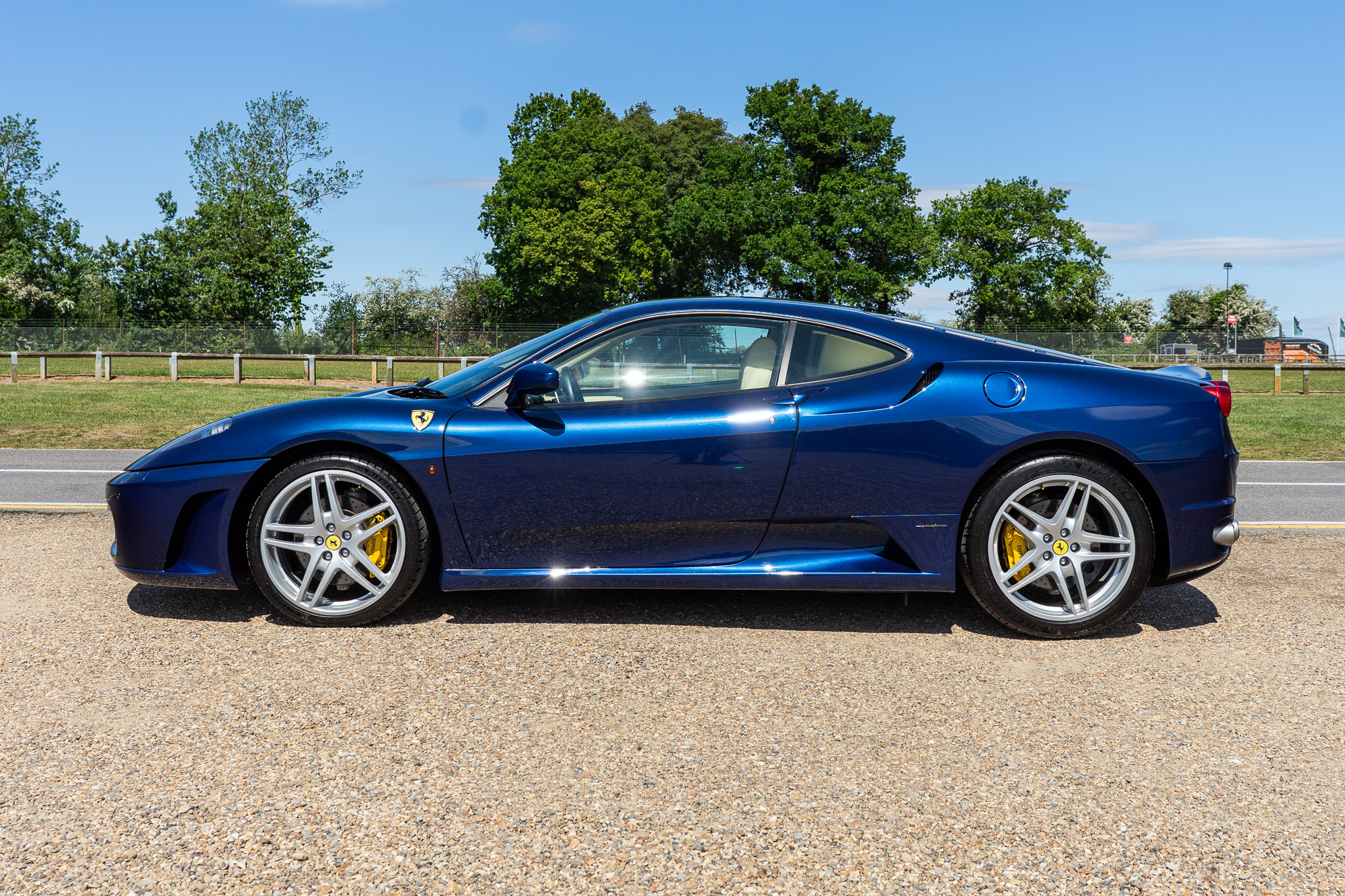
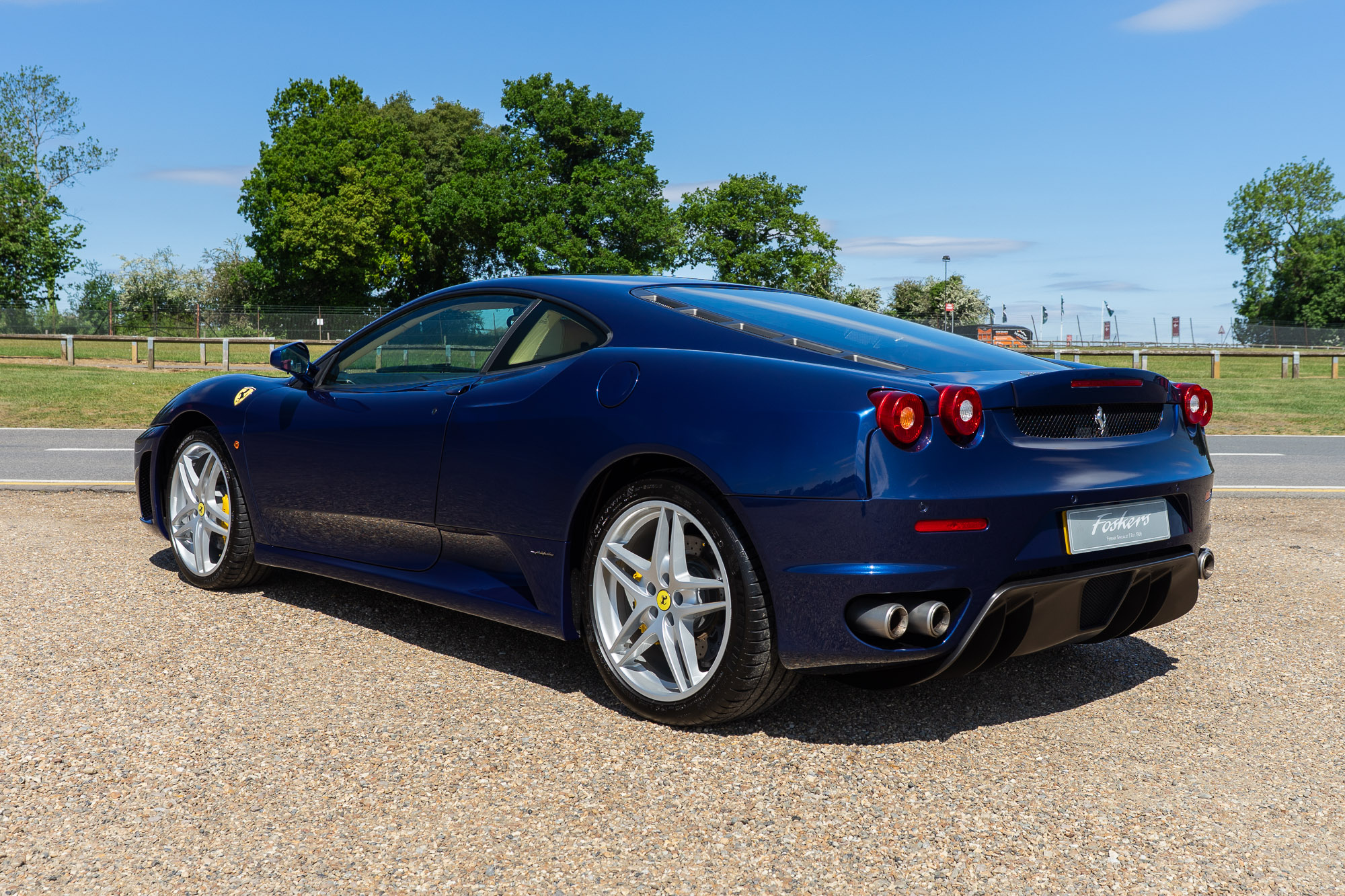
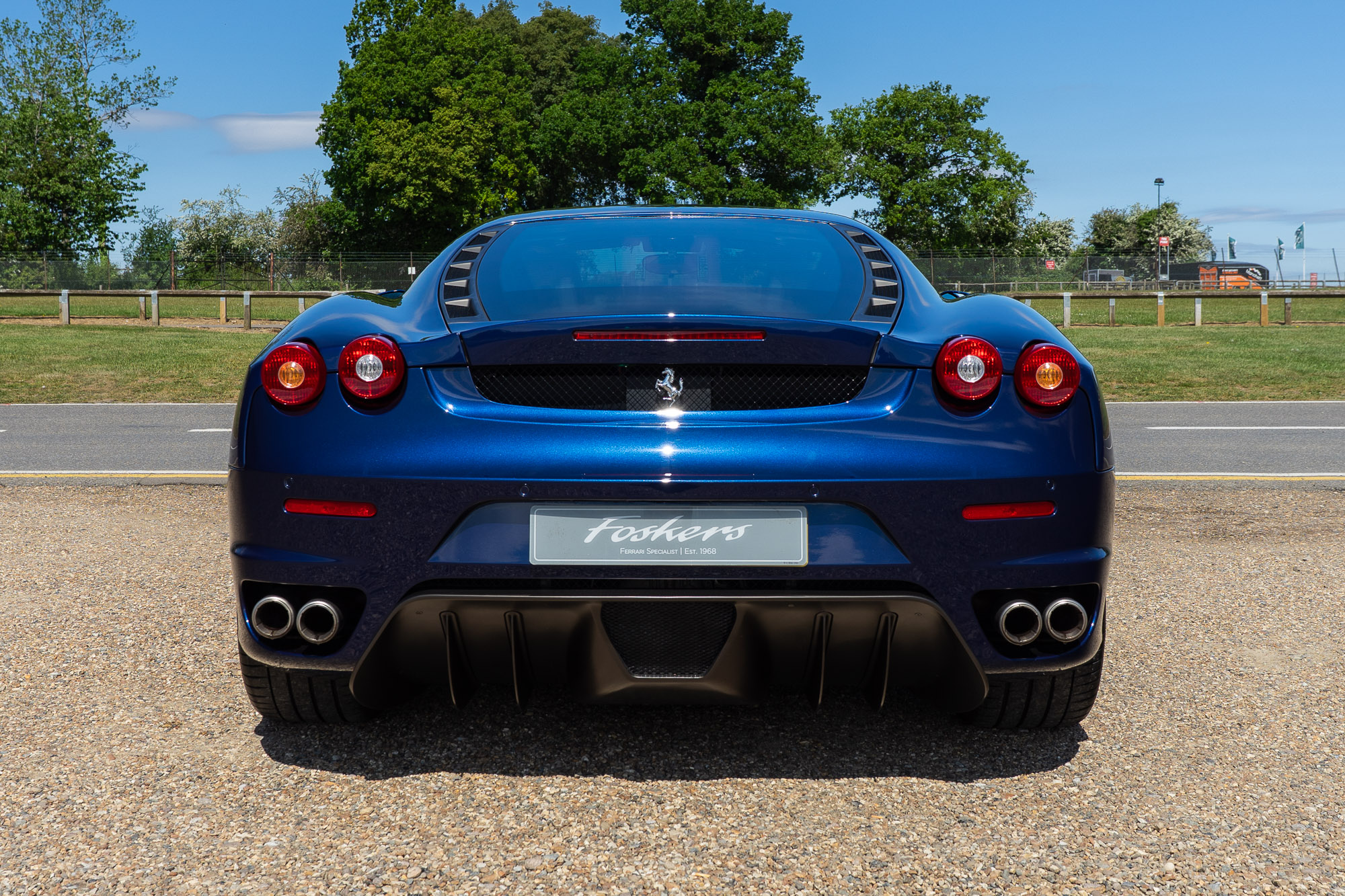
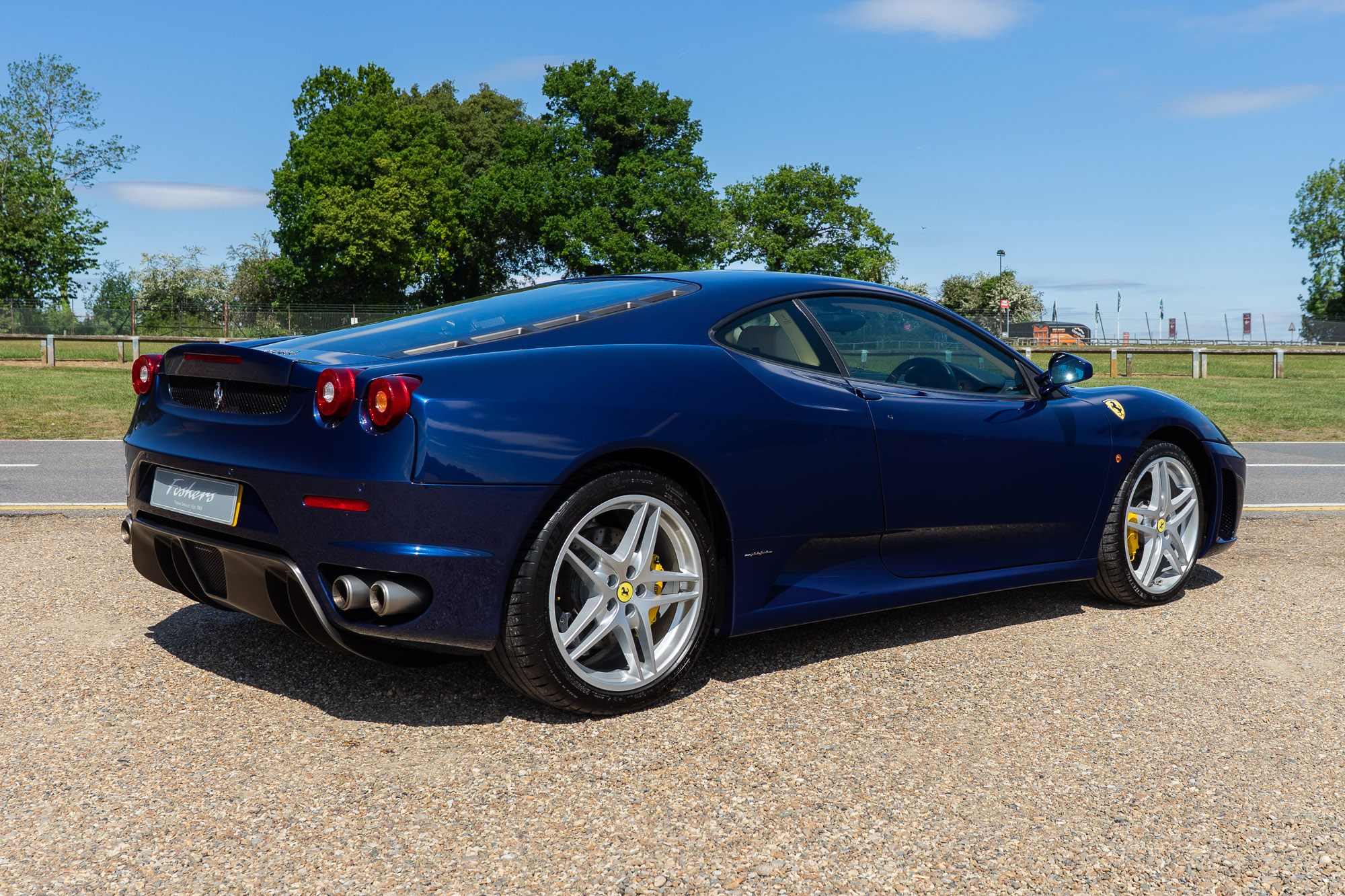
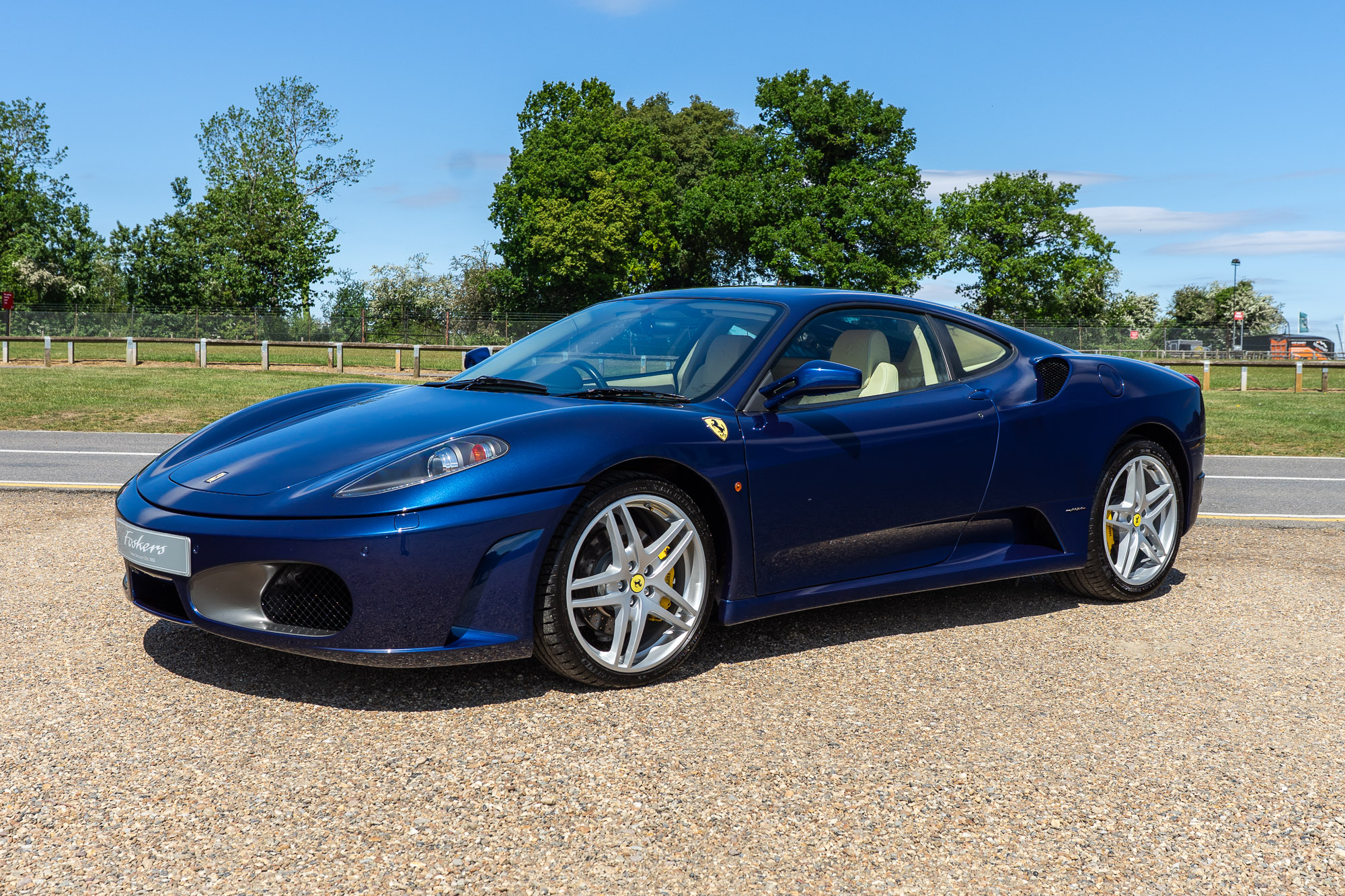
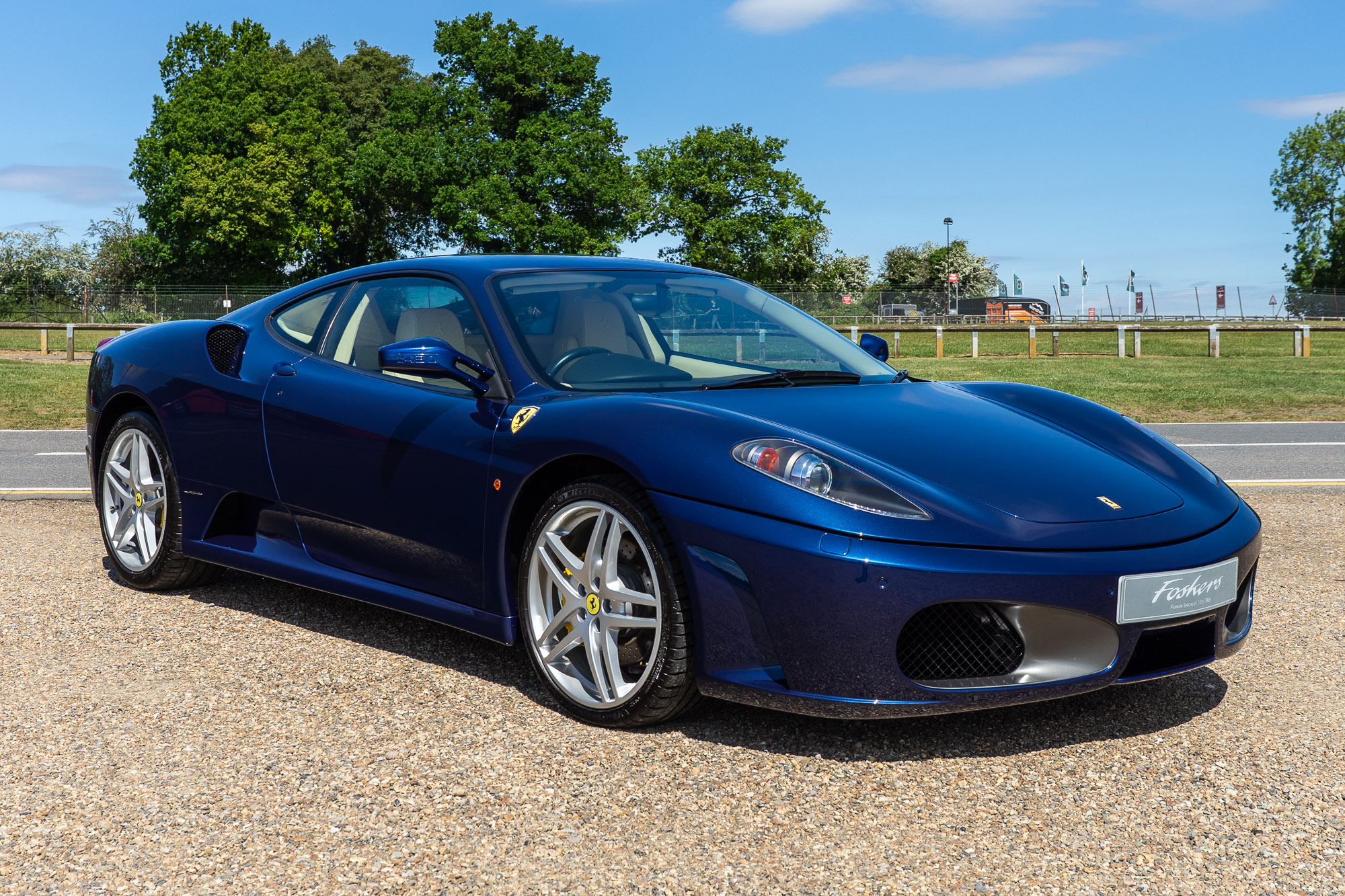
2007 Ferrari F430 Coupe
Vehicle Description
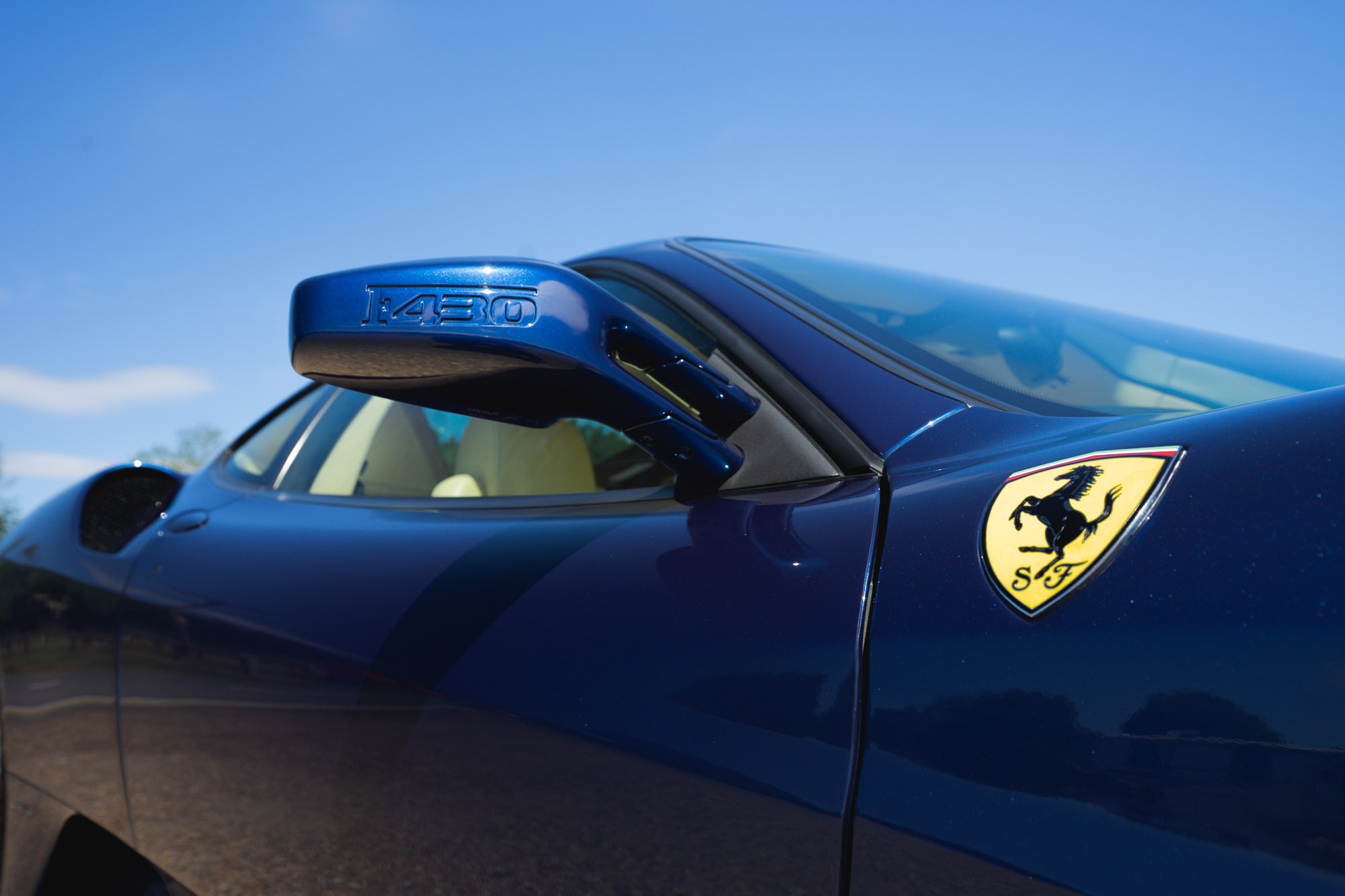
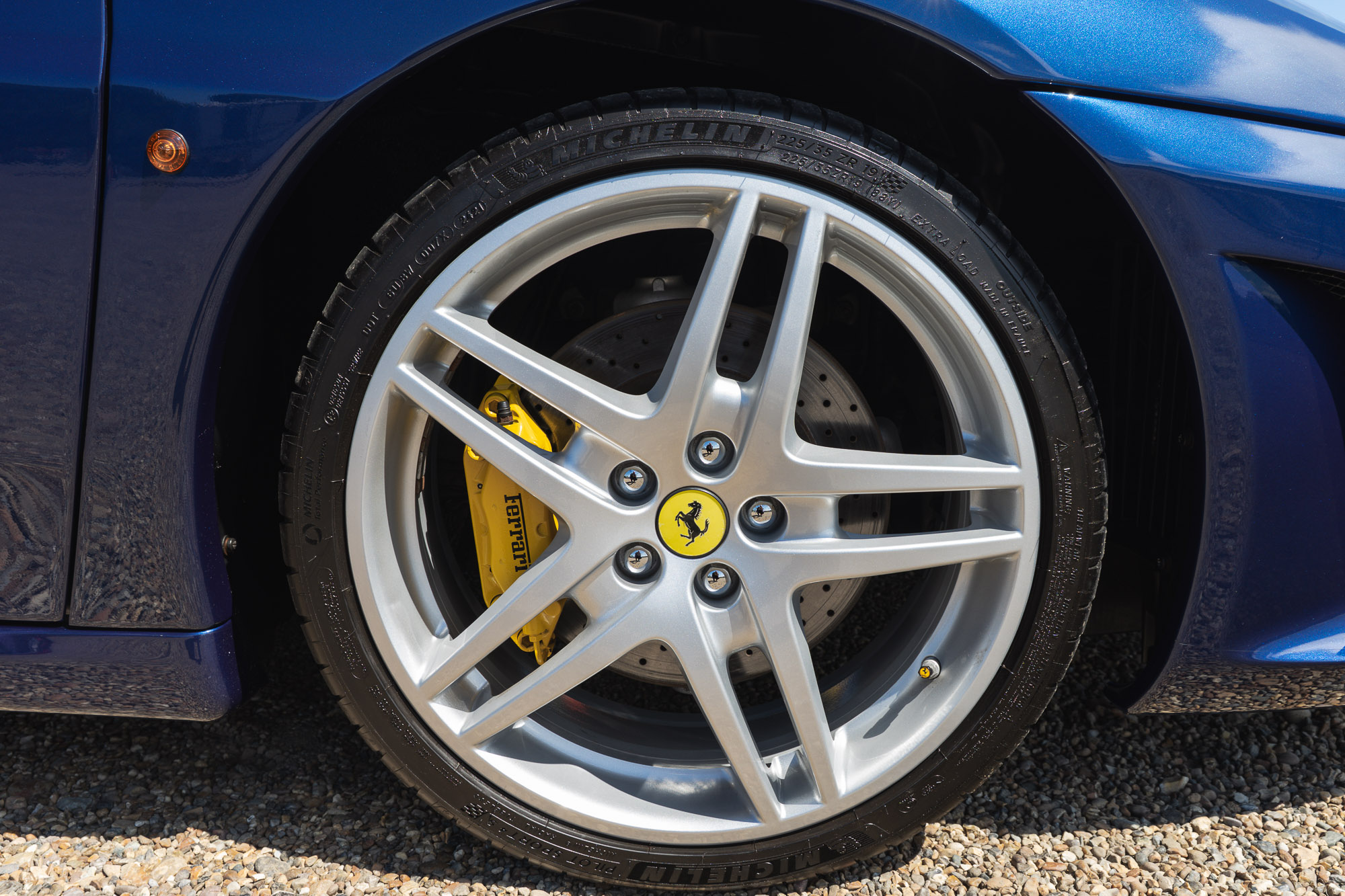
Ferrari’s F430 is perhaps the company’s ultimate useable supercar. It offers excitement and agility, alongside comfort.
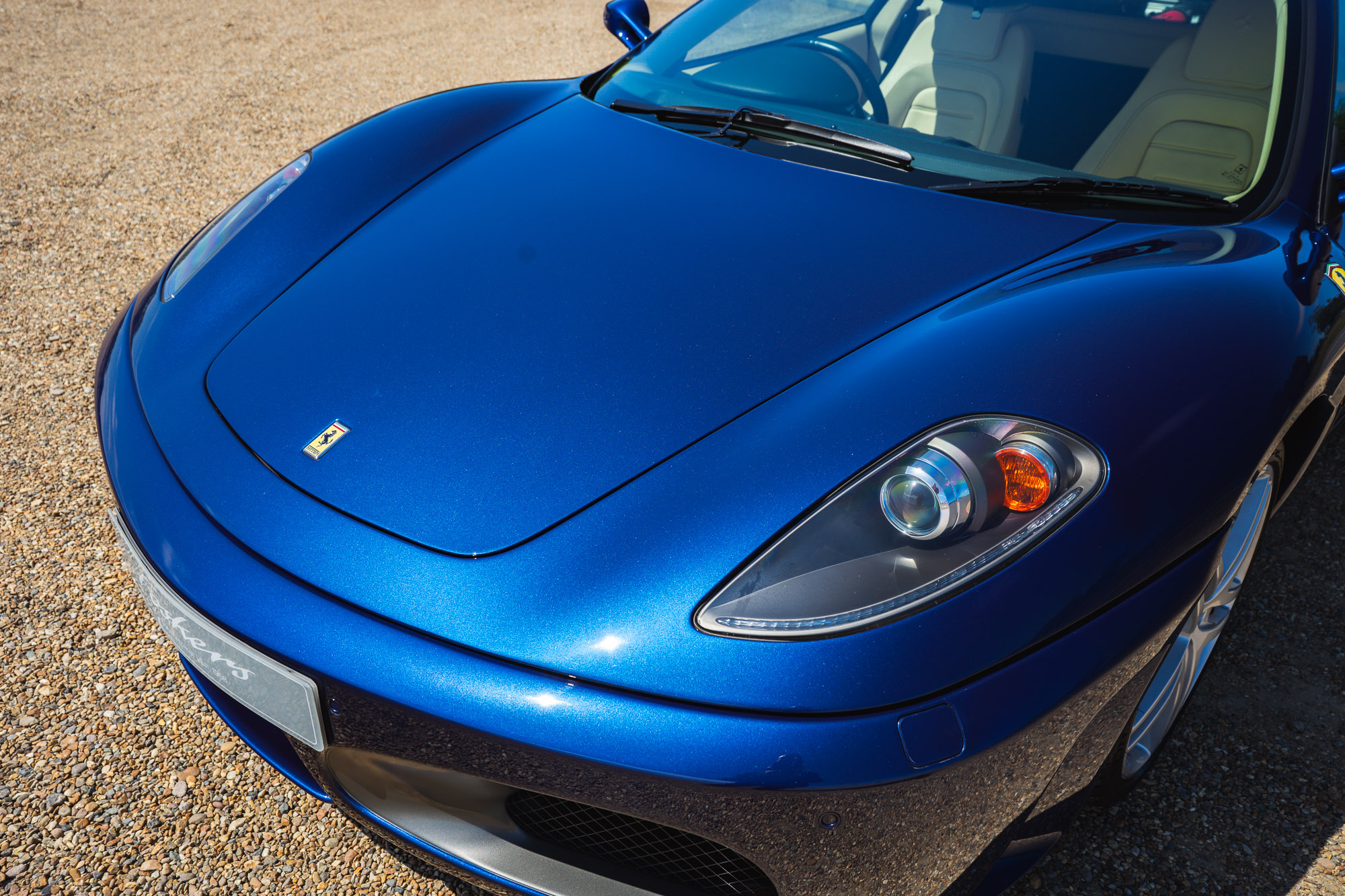
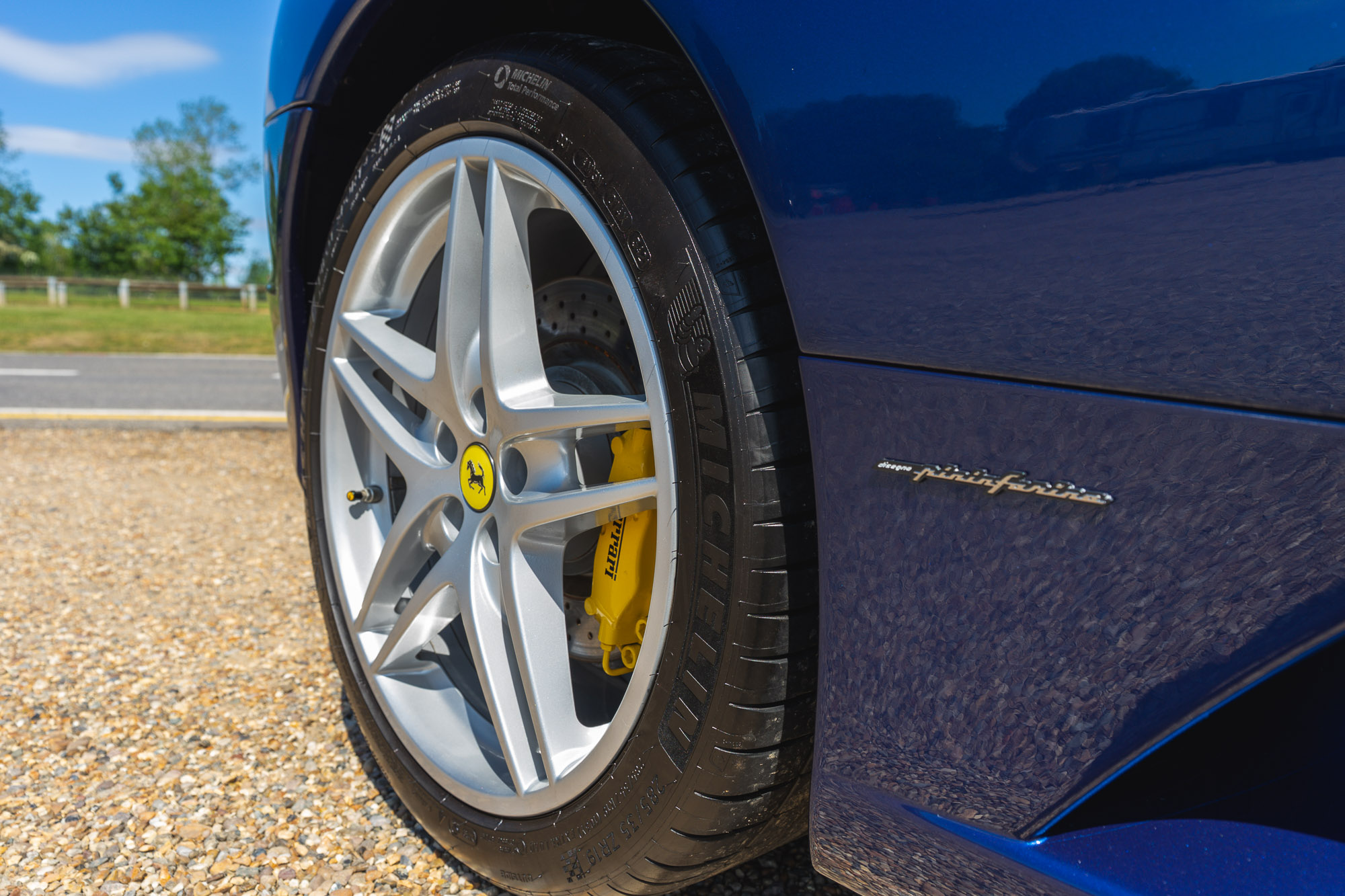
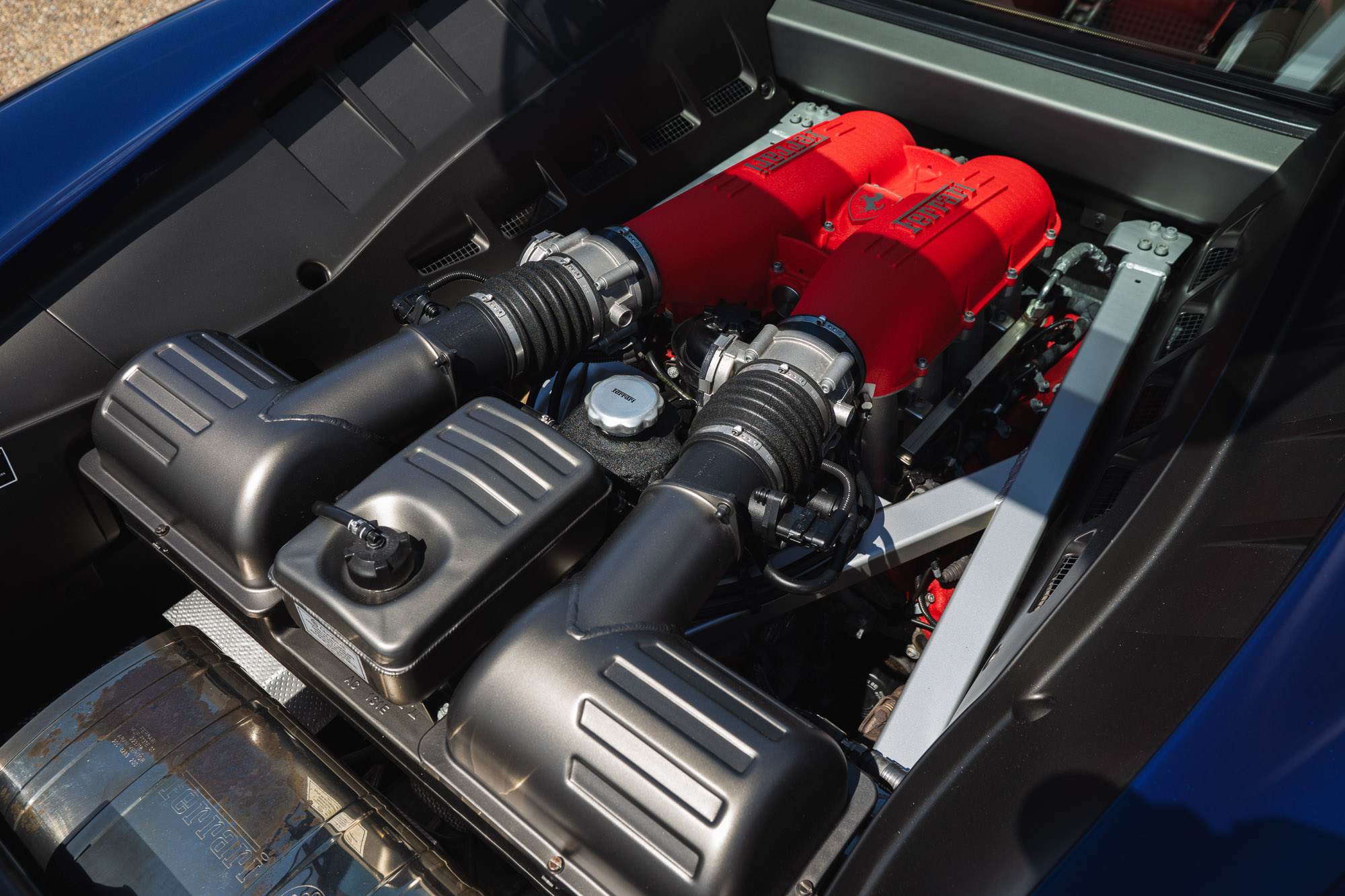
Manufactured from 2004 until 2009, the Ferrari F430 was the successor to the very successful 360M and, according to its creators, was at least 70% new compared with the previous model, itself a ground-breaker. Its aluminium structure was more rigid than the 360's, it had a new engine, a new differential, and a brand-new chassis and, although the styling is obviously reminiscent of the 360M's, in reality, it's pretty much a ground-up design. Largely the work of Pininfarina, although overseen by Ferrari's design chief Frank Stephenson, the F430 still looks fresh today, more crisp-edged than the 360, with a strong hint of Enzo around the surface-erupting tail-lights.
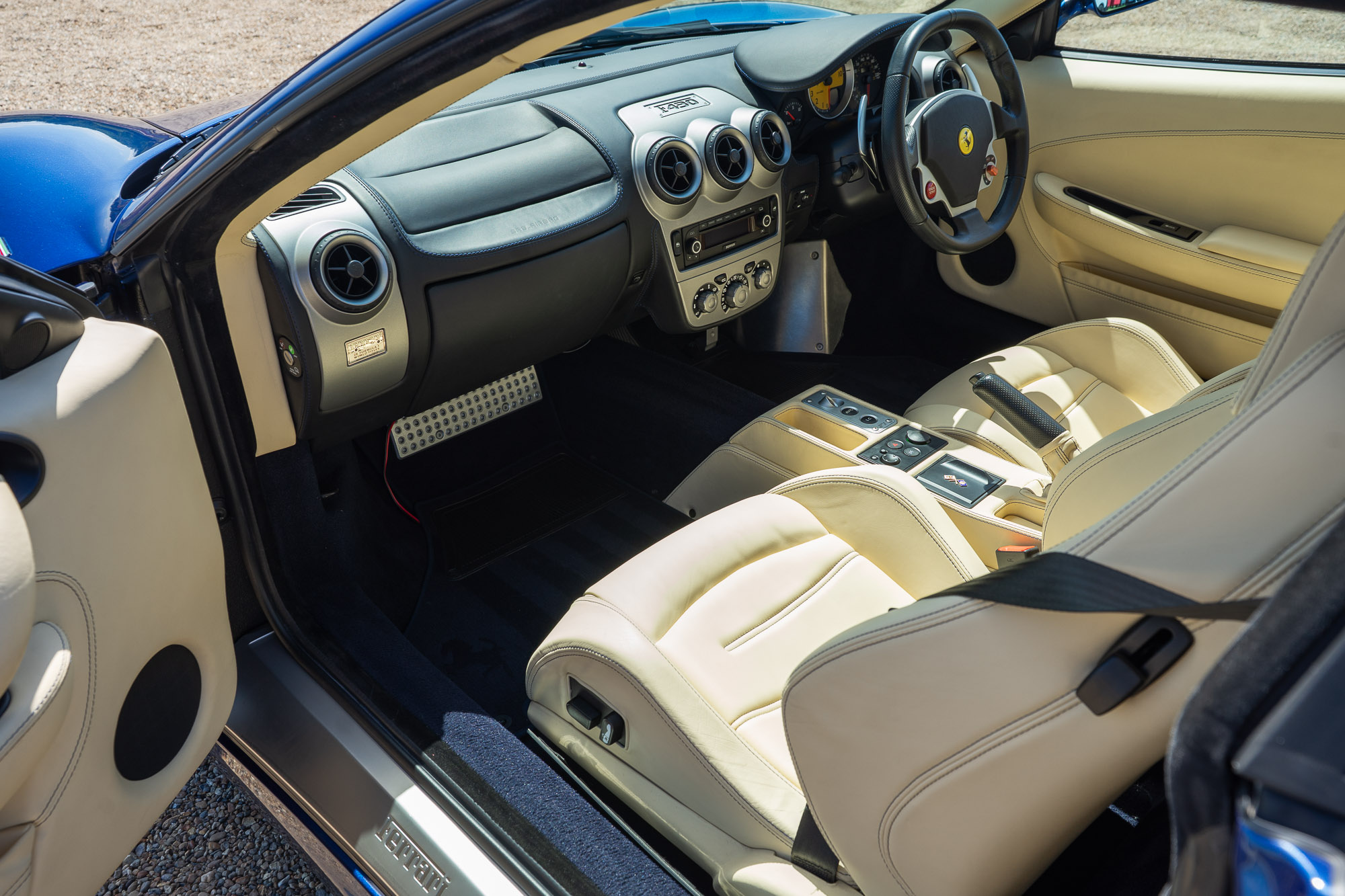
The performance is simply breath-taking, with acceleration from 0 to 60 mph in less than four seconds and a maximum speed in excess of 195 mph. The advancements in the F430 continued with the 'Manettino', the steering wheel-mounted selector for stability systems, damping, shift speed, and throttle response. Additionally there's the 'E-diff', whose calibrations this alters, a clever, clutch-controlled active differential that sorts out waywardness, not by inhibiting one rear wheel, but by pouring more torque into the other. Ferrari reckons that it's worth three seconds a lap at the Fiorano test track, and it certainly helps make the F430 a far more forgiving machine.
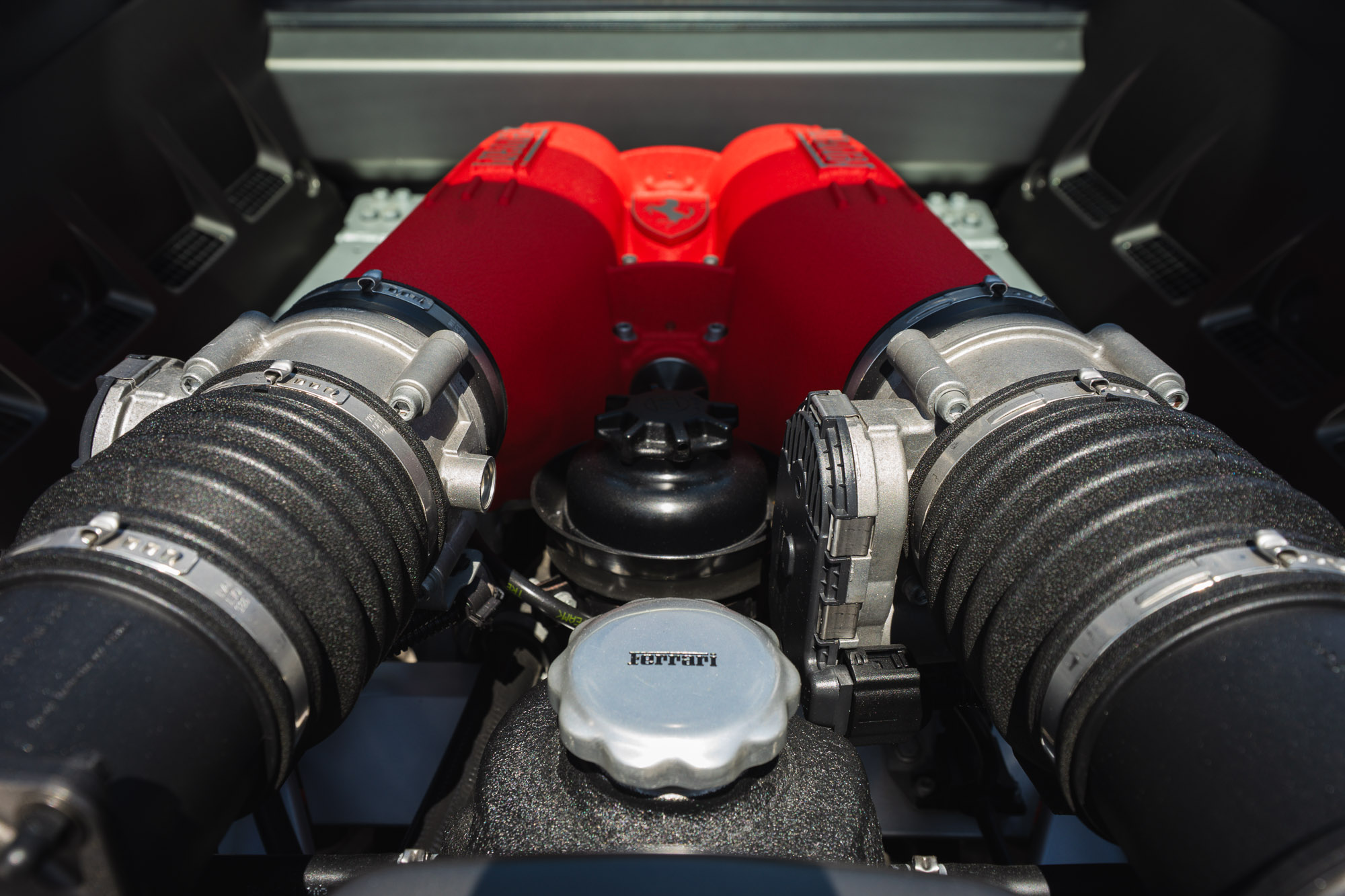
With most modern Ferrari’s now being produced with turbo charged/hybrid power, the sonorous naturally aspirated V8 in the F430 gives the car a sense of theatre and character that many of its contemporary’s are lacking made further more special by the gated manual gearbox.